• About |
  • Dean's Welcome |
  • University of Wisconsin-Madison |
  • MyUW |
  • Directory


University of Wisconsin Law School
  • Law In Action
    • Our Tradition
    • Student Experience
    • Profiles
  • Prospective Students
    • JD Admissions
    • Graduate Programs
    • Transfer Students
  • Current Students
    • Career Services
    • Student Services
    • Student Organizations
  • Faculty
    • Faculty Directory
    • Faculty Resources
    • Scholarship
    • Workshops & Lectures
  • Alumni
    • Events & Reunions
    • Giving
    • Staying Connected
  • Academics & Programs
    • Course Schedule
    • Curriculum
    • Experiential Learning
    • Centers & Programs
  • Library
University of Wisconsin Law School
  • Frank J. Remington Center
    • About FJRC
      • Contact
      • Faculty & Staff
      • Giving
      • News
      • Newsletter
      • Featured Cases and Publications
      • History
    • Students
      • Academic & Application Info
      • Mandatory Meeting
      • Student Resources
    • Economic Justice Institute
    • Criminal Appeals Project
    • Family Law Project
    • Federal Appeals Project
    • Hayes Police-Prosecution Internship
    • Legal Assistance to Institutionalized Persons
      • Info for Students
      • Info for the Public
      • Pro Se Packets
    • Oxford Federal Project
    • Prosecution & Public Defender Projects
    • Re-entry Project
    • Restorative Justice Project
    • Wisconsin Innocence Project
      • Info for Students
      • Prevention
      • Representation
      • Resources
      • Wrongful Convictions/Exonerations
      • Wisconsin Criminal Justice Study Commission

Wisconsin Innocence Project

The Wisconsin Innocence Project (WIP) is a nationally recognized clinical legal educational program that investigates and litigates viable claims of innocence on behalf of inmates and seeks to remedy the causes of wrongful convictions. 

WIP has three core missions:

  • to investigate and litigate wrongful convictions;

  • to educate students through closely supervised work on possible wrongful convictions; and,

  • to remedy the causes of wrongful convictions through scholarship, education, and collaboration with governmental and criminal justice agencies.


The revelation of wrongful convictions has shaken up the criminal justice system. Nationwide, law students in innocence projects across the country have worked to free hundreds of wrongly convicted inmates, giving them their lives back after years of unjust incarceration. Law students in the Wisconsin Innocence Project have worked to free sixteen people, relying in some cases on cutting-edge DNA technology, in other cases on old-fashioned investigation. Through their work on these cases, the students learn about the operation of the criminal justice system and how our system, often touted as the best in the world, can sometimes go awry.  In proving innocence years after a conviction, the students gain insight into how a wrongful conviction can occur, and how it might have been prevented. 


Featured Case:

Seneca Malone Case
Decision on Friday, November 16, 2012 - Court Grants Malone a New Trial

After years of investigation, uncovering new evidence, drafting and filing motions, and attending hearings, the motion for a new trial for Seneca Malone was granted on Friday, November 16, 2012 by Milwaukee Circuit Court Judge David Borowski. 

Press Release

New Trial Granted for Wisconsin Innocence Project Client

Summary

In August 2008, a jury convicted Seneca Malone for the death of Ricardo Mora, who on December 16, 2005, was gunned down on the streets of Milwaukee. At trial, the State's case was based almost entirely on the statement of a man who told police he saw Malone shoot the victim. Malone was sentenced to life in prison. At sentencing, Malone expressed sympathy for the victim’s family, but also maintained his innocence.   

Wisconsin Innocence Project Investigation & New Evidence

On appeal, Malone’s case was referred to the Wisconsin Innocence Project (WIP). Under the supervision of University of Wisconsin Law School professors Ion Meyn and Peter Moreno, law students conducted an independent investigation regarding the shooting and trial. WIP learned that trial counsel had not hired an investigator to check the veracity of an alternative suspect’s statement to police and had not called a single witness for Malone. In eight days of evidentiary hearings, WIP called over ten witnesses to the stand, including alibi witnesses. WIP presented evidence suggesting that the alternative suspect had lied to police about Malone's involvement in the shooting, and that alternative suspect was in fact the shooter.  When called to the stand and faced with this new evidence, alternative suspect invoked his right against self-incrimination to most questions.   

Decision issued November 16, 2012

Judge Borowski on Friday, November 16, 2012 at 8:30 a.m., issued his decision. The Court granted Malone a new trial, finding that his trial counsel was ineffective, that newly discovered evidence warranted a new trial, and that a new trial should be granted in the interest of justice.

Student Involvement

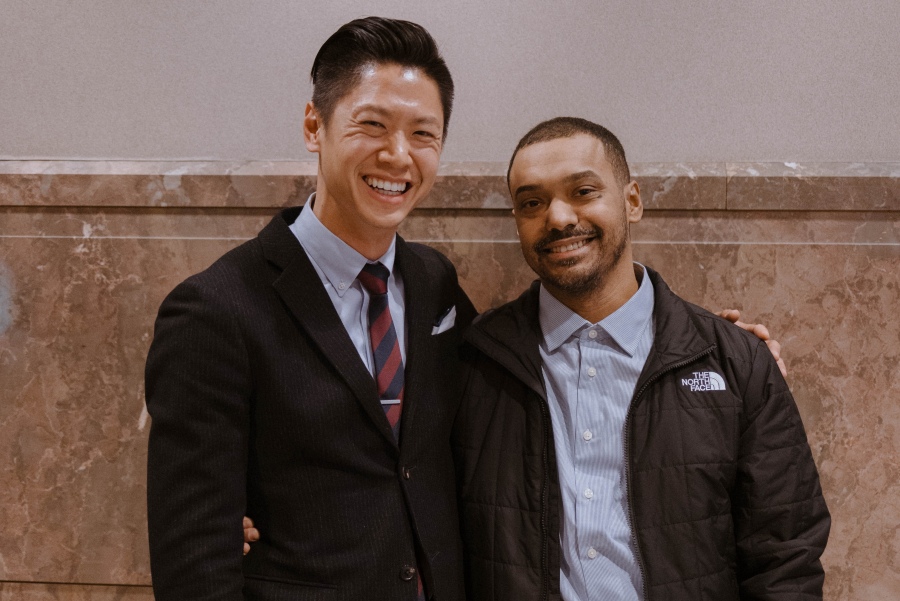
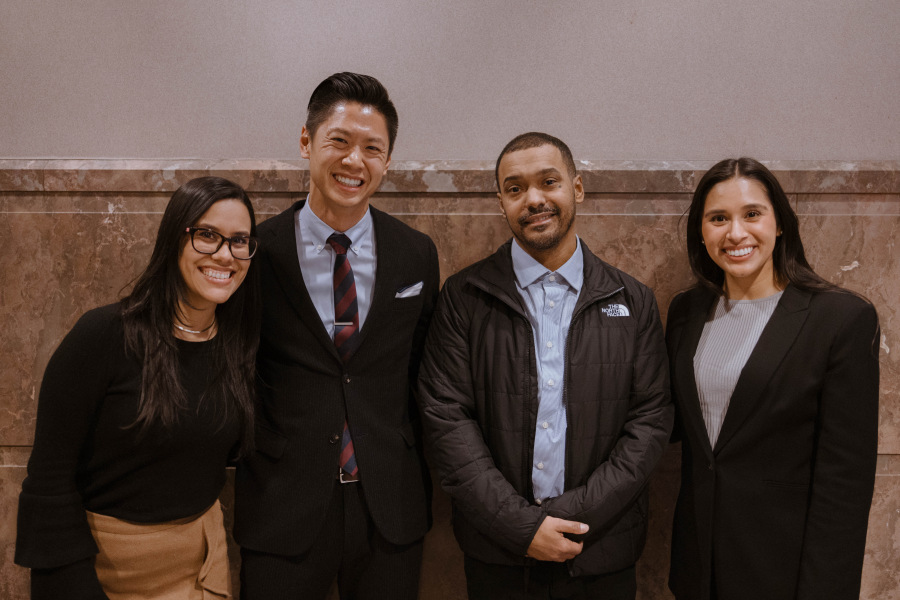
Law students in the Wisconsin Innocence Project have worked to free sixteen people, relying in some cases on cutting-edge DNA technology, in other cases on old-fashioned investigation. In the Seneca Malone case, law students Jamie Yoon, David Blinka, Scott Zehr, Andy Price, Nicolas Mittnacht, Colman Sutter and David Williams conducted an investigation into the shooting.  Knocking on doors in tough neighborhoods and scouring state records, law students uncovered new police records and found key witnesses. Law students also drafted motions, assisted in the preparation of witness testimony, and played significant roles at the evidentiary hearing. In fact, fielding objections from a Milwaukee Homicide Unit prosecutor, law student Andy Price examined a witness in court.  University of Wisconsin undergraduate students Adriana Salgado and Rebecca Loeb also provided critical assistance in the investigation and evidentiary hearing.

In attempting to prove innocence years after a conviction, the students gain insight into how a wrongful conviction can occur, and how it might have been prevented. These students embody the University of Wisconsin Law School’s commitment to law in action, justice, and attaining excellence in practice.

Briefs

  • Brief in Support of Motion for New Trial

  • State's Response

  • Reply Brief


Donations are appreciated and may be sent to:  Wisconsin Innocence Project, University of Wisconsin Law School, 975 Bascom Mall, Madison, WI 53706.


WIP in the News:

  • The National Registry of Exonerations

  • Actual perpetrator sentenced for crimes after innocent man freed

  • Jarrett Adams Graduates from College

  • Wisconsin Innocence Project Announces an Advisory Board


Getting it Right- The Innocence Project:


Log in to edit

University of Wisconsin Law School | 975 Bascom Mall, Madison, WI 53706 | (608) 262-2240 | Facebook | Twitter | Support UW Law School

Last Updated: Tuesday, March 12, 2013 | Copyright © 1998-2013 The University of Wisconsin Board of Regents. All Rights Reserved.