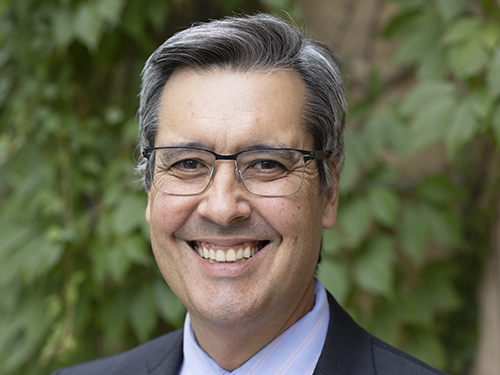
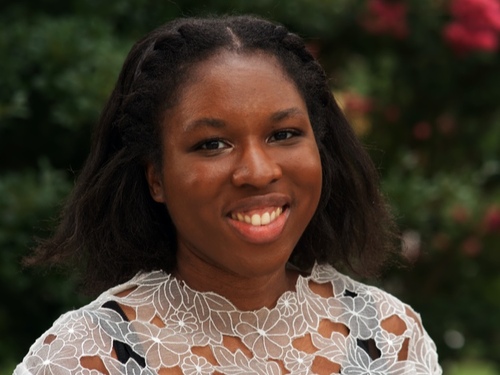
The rich intellectual environment at University of Wisconsin Law School is driven by a faculty of renowned legal scholars and innovative thinkers. They are the thought provokers. The idea generators. The pathbreakers who ask tough questions.
This stellar scholarly tradition makes UW Law the vibrant institution it is today.

Nathan Atkinson and the Hidden Complexity of Elections and Corporations
On the latest episode of the Wisconsin Law in Action podcast, Professor Nathan Atkinson explores a surprising parallel: Elections and corporations are both systems for turning many dispersed voices into a single decision. Atkinson explains why the ranked choice reforms popularized after the 2000 Bush-Gore-Nader election may be the wrong fix for today’s polarization, drawing on Alaska ballot data to show how instant runoff voting can produce a winner most voters didn’t actually prefer. He makes the case instead for “consensus choice” voting — a head-to-head approach designed to surface genuinely majority-preferred candidates. Atkinson also discusses corporate governance and how prosecutors can punish corporations. He shares proposals for placing penalties on shareholders, examines the outsized voting power of passive index funds, and reflects on why institutions so often behave differently in practice than they do on paper. Throughout the episode, Atkinson offers a practical vision of scholarship as a tool for helping busy decision-makers see the complexities they don’t have time to untangle themselves. Listen and follow on SoundCloud, Apple Podcasts and, now, Spotify.

Dan Tokaji: ‘Elections Aren’t Failing, Democracy Is’
Democracy is in trouble, but not because of how elections are conducted, is what Dean Dan Tokaji argues in his new paper, “Elections Aren’t Failing, Democracy Is,” published in University of Arkansas Little Rock Law Review. The paper examines election administration and attendant litigation over the past 25 years and draws seven lessons: 1) threats directed toward election officials must not be tolerated; 2) addressing partisan election administration is the unfinished business of election reform; 3) election litigation should be welcomed, not feared or loathed; 4) pre-election litigation is (still) preferable to post-election litigation; 5) state courts play an essential role in protecting voter rights and election integrity; 6) Donald Trump cannot be elected president again, and the courts will stop him if he tries; and 7) the decentralization of U.S. election administration is a strength as well as a weakness. Tokaji also discusses deeper problems facing American democracy, including rising economic inequality, educational polarization and growing distrust of public institutions. Read the paper.

SDRI: ‘Can State Prohibitions on Election Interference Constrain Federal Actors?’
Recent federal efforts to exert control over state elections appear likely to intensify as the 2026 midterms approach. A recent explainer from the State Democracy Research Initiative (SDRI) examines state laws that provide a potential pathway for reining in federal electoral overreach. “Can State Prohibitions on Election Interference Constrain Federal Actors?,” written by Danielle Friedman, Bryna Godar and Emily Lau, aims to shed light on existing state6 laws criminalizing election-related misconduct and their potential application to curb improper actions by federal government officials. The explainer focuses on those provisions of state election codes that criminalize behavior that experts anticipate the federal government may engage in during the November 2026 elections.